HEADER MENU BAR CONTENT INCLUDED IN MASTER PAGEHEADER Menubar
Untitled 1
Chronic Obstructive Pulmonary Disease (COPD)
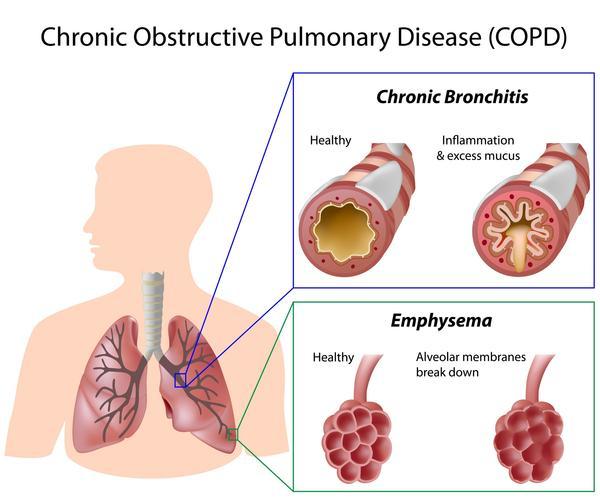
Image: www.lung.net/copd
What is COPD?
COPD is a progressive (i.e. gets worse with time), chronic,
inflammatory lung disease obstructing air-flow to the lungs, mainly caused by breathing
pollutants.
To help understand what is going on with COPD, first see how the lungs
work:
COPD damage reduces the natural elasticity of the alveoli (air sacs)
and bronchial tubes. Elasticity is required to force out air/carbon
dioxide for exhalation. As a consequence, unexpelled air is trapped
in the lungs, which makes it difficult for the air sacs to deflate and bring in
new air
COPD describes several progressive lung diseases characterized by shortness
of breath. Includes:
CHRONIC bronchitis. The constant
irritation/inflammation of the MUCUS MEMBRANE LINING (epithelium) of the bronchial
airways (bronchi/bronchioles, which carry air to and from the alveoli of the
lungs), causes it to swell and produce mucus, which narrows the airways, making
it harder to breathe; a cough ensues to try and clear the mucus. FYI - Mucus
membranes also line the sinuses, GI and urinary tracts
Emphysema. Breakdown of the elastin
of lung connective tissues weakens/damages the thin walls and fibers of the
alveoli (air sacs) at the end of the smallest bronchial airways (bronchioles);
the alveoli walls eventually break down, producing less, but larger air spaces
instead of many small ones, and so reducing the surface area available for gas
exchange;
Non-reversible asthma
Some forms of bronchietasis
COPD is the THIRD leading cause of death in the U.S. affecting ~30 million
Americans. Of those, >50% are unaware they have it
COPD progression causes loss of lung function.
Can increase risk for:
Respiratory infections.
E.g. flu, colds, pneumonia - making it even more difficult to breathe
Lung cancer
Pulmonary hypertension.
High blood pressure in arteries delivering blood to lung
Heart disease. Reason not
well understood
COPD Diagnosis. A breathing test, called spirometry, measures
the amount of air blown out of the lungs in how long. This simple test can detect COPD ahead of symptoms
COPD Symptoms
Increased breathlessness - especially during activities
• Chronic / Ongoing cough (trying to clear produced sputum/mucus)
- especially first thing in the morning
Frequent repiratory infections
Wheezing
Blueness of lips or fingernail beds (cyanosis)
- due to lower oxygen availability
Chest tightness
Causes / Risk Factors of COPD (Chronic obstructive
pulmonary disease)
Most COPD is caused by inhalation of pollutants.
Including:
Smoking (LEADING
CAUSE IN U.S.) and second-hand smoke - ~90% of those
with COPD have a history of smoking;
Chemicals, fumes, dust in occupational environments
- especially those who have had long term exposure
In the developing world, breathing cooking fuel
or poorly vented heating fumes
Being over 40 years old and male. Although most
COPD deaths are women
Genetics. ~1% of those with COPD have a deficiency
of liver-produced, lung-protective alpha-1 antitrypsin protein (AAt), which
is the most commonly known genetic risk for emphysema - with the result that white
blood cells (WBCs) are able to harm the lungs
>90% of bronchial infections are caused by a virus. Albert, RH (1 December 2010). "Diagnosis and treatment of acute
bronchitis.".American family physician(11): 1345-50.
PubMed
How ot treat COPD
Avoid irritants
Stop smoking or breathing second-hand smoke
Minimize occupational exposure to pollutants
Nebulize anti-infective "Medicine"
Use a nebulizer to deliver an alternative antimicrobial medicine
directly into the lungs. Choices of alternative antibiotics include
ionic colloidal silver, grapefruit seed extract, hydrogen peroxide, iodine,
magnesium chloride, glutathione and others;
Keep well hydrated - drink enough water; also breathing
water vapor helps loosen mucus and makes breathing easier
Ensure sufficient dietary/supplementaryantioxidants - to counter
inflammation
by reducing free radicals
Herbs to soothe and lubricate mucus membranes - include
slippery elm, marshmallow, licorice, mullein
Consume zinc-rich
foods - especially pumpkin seeds
Nebulizing moistens mucus membranes
Proteolytic enzymes - E.g. bromain, papain and serrapeptase
all reduce inflammation, but serrapeptase especially helps break down excessive
mucus
DISCLAIMER: The content on this website is intended for
informational, and educational purposes only and not as a substitute
for the medical advice, treatment or diagnosis of a licensed health
professional. The author of this website is a researcher, not a
health professional, and shall in no event be held liable to any
party for any direct, indirect, special, incidental, punitive or
other damages arising from any use of the content of this website.
Any references to health benefits of specifically named products
on this site are this website author's sole opinion and are not
approved or supported by their manufacturers or distributors.